What Is Task Mirroring? The End of Copy-Paste Project Management
One task. Multiple workspaces. Always in sync. The mechanic that removes the “which version is real” conversation permanently.
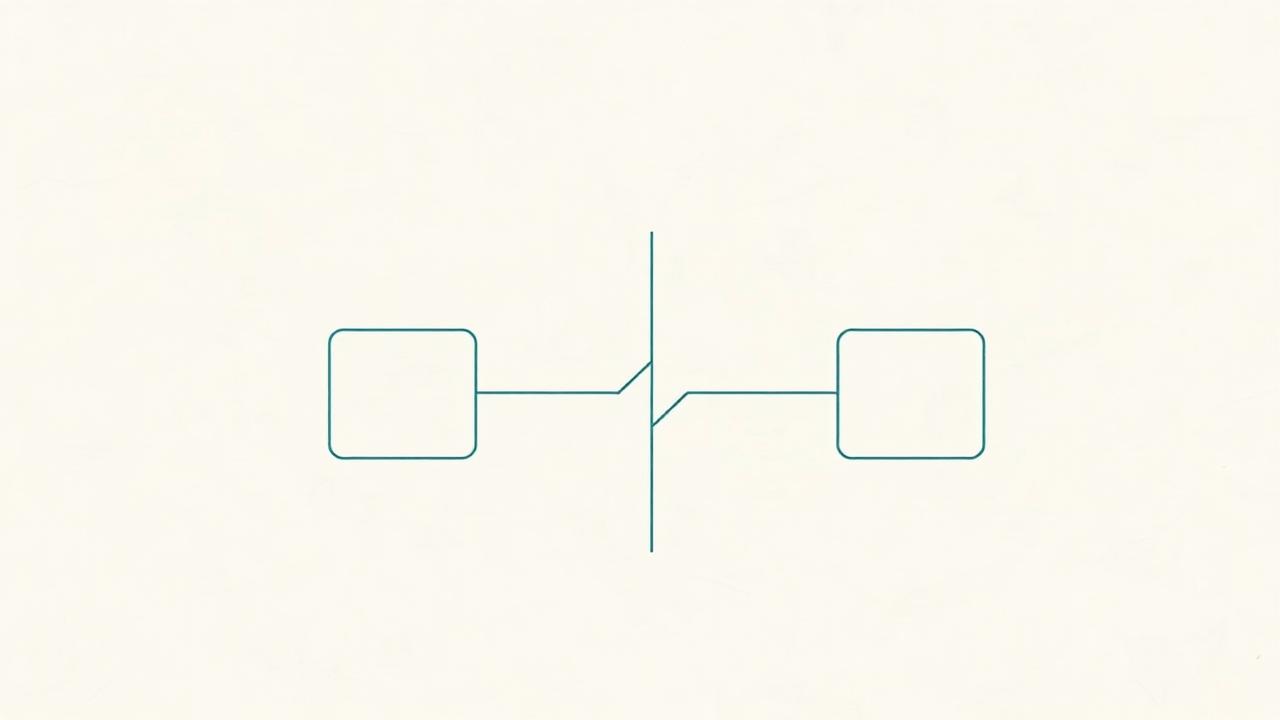
Every collaborative team hits the same moment: a task needs to live in two places at once. The PM's roadmap and the engineer's sprint board. The designer's queue and the marketing calendar.
The reflex is duplication — copy the task, put a copy in each place. Within days the copies drift. Status updated here, not there. Priority changed on one side only. "Source of truth" becomes a conversation nobody wins. Task mirroring removes the problem at the root rather than managing its symptoms.
The definition: one task, two views, zero drift
Task mirroring is a model in which a task has a single canonical identity — one record, one set of data — while appearing in several people's workspaces at the same time.
When either person changes the status, adds a subtask or writes a note, the change is immediately visible in both views. There is never a stale copy, and never a question about which version is current, because there is only one version.
Copy, multi-home, mirror
Copy creates two separate tasks. They start identical and diverge from the first edit. No sync, drift guaranteed.
Multi-homing — Asana's model — keeps one task but attaches it to several projects. Status stays in sync, but placement is rigid: everyone inherits the same structural position, so nobody gets to organise it their own way.
Mirroring keeps one task and lets each person place it wherever it belongs in their own hierarchy. Data is unified, structure is personal. That combination is the whole point.
Data should be unified. Structure should be personal. Most tools make you choose one.
How mirroring works with @mentions
@mention a teammate on any task and it appears in their personal workspace, placed wherever they choose to put it.
They can nest it under a relevant project and add their own subtasks without touching your view of it. When either person edits the title, status or body, both see the change immediately. The mention is the sharing gesture — there's no separate permissions dialog to get wrong.
The workflows where it changes the day
PM and engineering: the PM creates a feature task in the roadmap and mentions the lead engineer. The task lands in their sprint board. Both sides read the same status in real time, and the status meeting loses its reason to exist.
Design and marketing: design creates a deliverable and mentions a marketer, who tracks it in the launch calendar. When the designer marks it done, the launch plan updates itself.
Why this beats a shared project
The usual alternative is a shared project where everyone works inside one common structure. It works right up until personal organisation matters.
The PM organises by product area. The engineer organises by sprint. The designer organises by design-system component. A shared project forces all three into one taxonomy, and two of them will quietly stop using it. Mirroring preserves each person's structure while keeping the underlying task data unified.
Takeaways
- A mirrored task has one canonical record seen from many workspaces.
- Duplication drifts; multi-homing syncs but forces a shared structure.
- @mentioning someone is the sharing gesture — no permission matrix.
- Each person keeps their own hierarchy without forking the data.
Taskpend is a nested outliner with mirrored tasks, six views and AI agents that execute. Free for individuals.