Three Copies. Three Statuses. Zero Truth.
Every team duplicates tasks across tools. Every team regrets it. Here's what the drift actually costs — and the alternative.
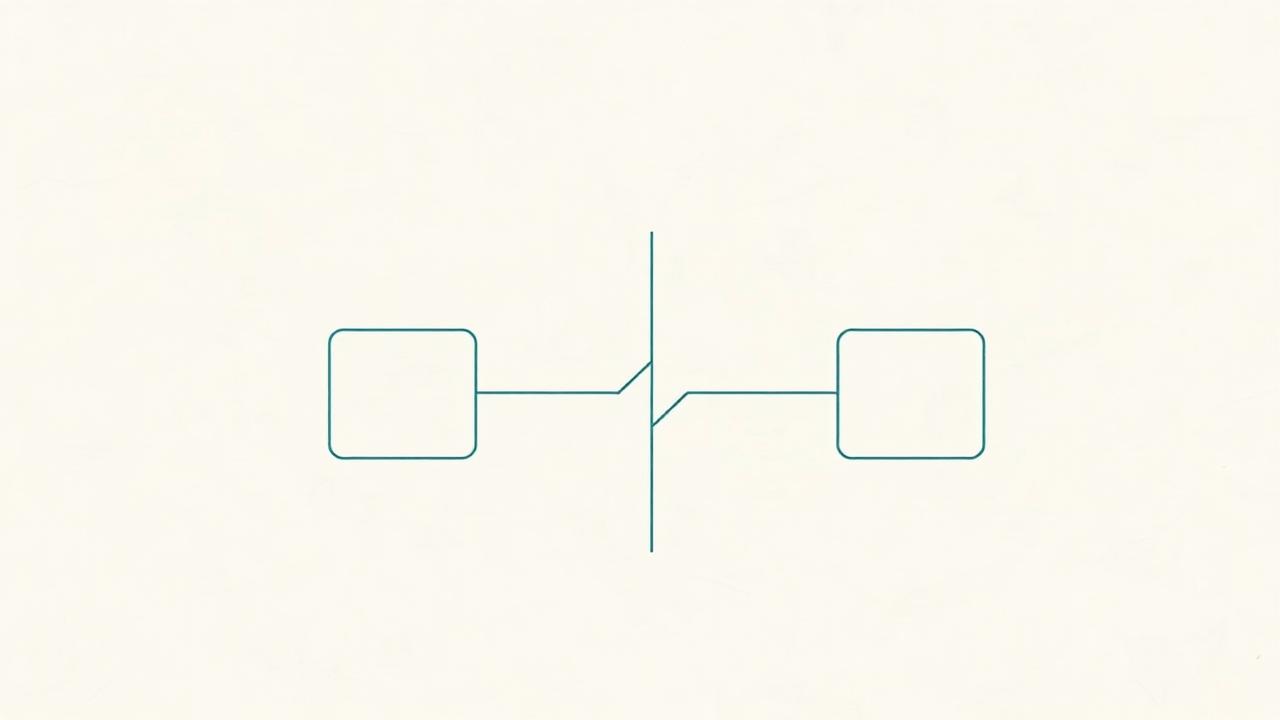
It starts innocently. A task needs to appear in the PM's roadmap and in the engineering sprint board. The path of least resistance is to copy it. You paste it into both places, add the assignees, move on. It feels solved.
Two weeks later the PM sets the roadmap copy to "In progress." The engineer marks the sprint copy "Done." A stakeholder asks where things stand, and three people give three answers. This is the task duplication problem, and it shows up in every team running more than one view of the same work.
Why duplication happens in the first place
Nobody duplicates tasks because they think it's a good idea. They duplicate because the tool offers no alternative.
Trello has no native way for a card to live on two boards. Asana's multi-homing sits behind a paid tier. Jira has issue links, which describe a relationship without keeping state in sync. Notion has no task sync at all. Faced with no good option, teams copy by hand — and drift starts on day one.
Three copies, three statuses, one argument
Once duplicated, tasks diverge by design. The PM updates the roadmap version when a stakeholder asks. The engineer updates the sprint version during stand-up. The designer updates the design-side version at handoff.
Three people, three versions, three sets of notes and completion dates. At the weekly status meeting, all three report something slightly different, and the meeting quietly becomes a reconciliation exercise rather than a decision-making one.
Three people maintaining three versions of the same task is not redundancy. It's a slow, recurring argument about reality.
The hidden cost: the "which version" conversation
Every duplicated task generates recurring coordination overhead. "Which one is the source of truth?" becomes a standing question with a different answer per project.
Teams paper over it with informal rules — "always trust the Jira ticket" — that break the moment the person who invented the rule goes on holiday. The cognitive load of maintaining version awareness is real, cumulative, and in a mid-sized team it adds up to hours every week.
The alternative: mirroring instead of copying
Task mirroring creates one canonical task that appears in multiple places at once. Update the status anywhere and every view of that task shows the new status immediately.
When the engineer adds a note, the PM has it. When the designer completes it, all three see the same checkmark at the same moment. There is no reconciliation step because there was never more than one record.
How @mention mirroring works in Taskpend
@mention a teammate on any task and it mirrors into their workspace. They place it wherever it belongs in their own hierarchy, and the task now genuinely lives in both places.
Any edit by either person is reflected in both views in real time. Delete it in one place and — after a confirmation — it's gone from both. You get the ergonomics of copy-paste with the data integrity of a single source of truth.
Takeaways
- Teams duplicate tasks because most tools offer no sync primitive.
- Copies diverge by design; drift is the default outcome, not an edge case.
- The real cost is the recurring "which version is right?" overhead.
- Mirroring keeps one canonical record visible from many places.
Taskpend is a nested outliner with mirrored tasks, six views and AI agents that execute. Free for individuals.