Should This Task Be Assigned to the Designer AND the Developer?
Yes, it should. And you can do it without creating two separate tasks that immediately drift apart.
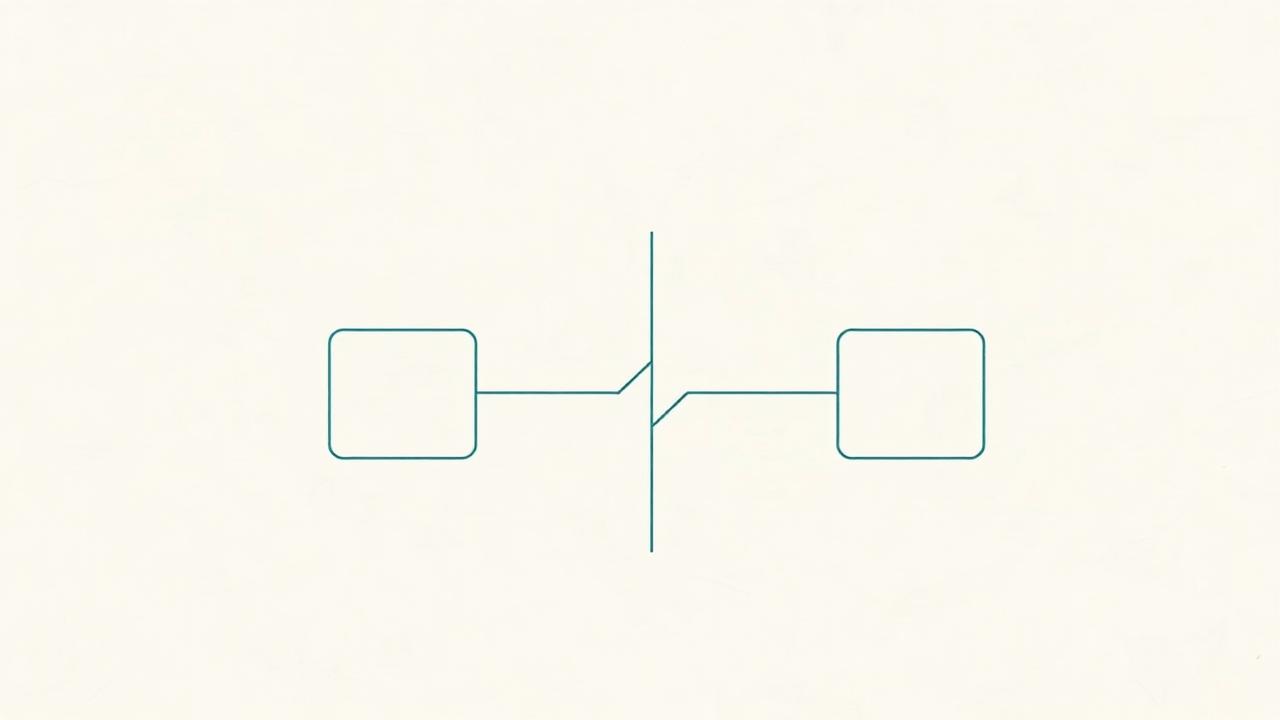
"Who owns this?" is one of the most common questions in team task management — and the question hiding behind it is harder: can a task be owned by two people at once?
In most tools the answer is an awkward workaround. Duplicate the task and assign each copy to one person, accepting that the copies will drift. Or assign it to one person and hope the other remembers to check in. Neither is satisfying. Task mirroring offers a third option: one task, seen from two people's workspaces, updated in real time on both sides.
First, decide whether the task is genuinely shared
Not every task with multiple stakeholders needs multiple owners. A task with a primary owner and a few secondary reviewers is usually just one person's task with comment access for everyone else. Adding assignees there only dilutes accountability.
Some tasks really do require parallel ownership: a feature handoff between design and engineering, a co-authored deliverable, a cross-functional milestone that neither side can finish alone. These are the tasks where the single-assignee model breaks, and where a workaround becomes inevitable.
The duplication trap
The most common workaround is to split the task in two — "Design the login page (Design)" and "Design the login page (Engineering)." It feels tidy for about a week.
Then the problems arrive. Which task carries the current status? Who is responsible for updating which copy? When the design is delivered, does the engineering task know? Duplication answers the assignment question and creates a coordination question that is considerably harder to answer.
Duplication answers the assignment question, then creates a coordination question that is much harder to answer.
Task mirroring: multiple owners, one task
@mention both the designer and the engineer on the same task. The task appears in the designer's workspace, nested wherever it belongs in their design-system hierarchy, and in the engineer's workspace, nested under their feature branch.
Both people are looking at the same task. When the designer flips the status to "Handed off," the engineer sees it instantly — inside their own structure, without opening anyone else's board.
Each person organises their own view
The designer nests the mirrored task under Design System → Authentication. The engineer nests it under Sprint 12 → Authentication Feature. Both placements are valid, and neither affects the other.
This is the part that makes shared ownership survivable. Nobody has to adopt somebody else's mental model to see their own work. The designer's system stays intact; the engineer's sprint board stays intact; the task is in the right place for both of them.
Completion visibility without a status meeting
When the engineer marks the task complete, the designer sees the completion in their workspace. When the designer adds a closing note about a design decision, the engineer reads it in theirs.
Status meetings about cross-functional handoffs become optional, because the task itself carries the live status. Both people always have the same information at the same time — which is the only definition of alignment that actually holds up under deadline pressure.
Takeaways
- Only give a task multiple owners when both people genuinely have to act on it.
- Duplicating a task splits its status; mirroring keeps one canonical status.
- Mirrored tasks can sit in different places in each person's hierarchy.
- Live shared status removes most cross-functional handoff meetings.
Taskpend is a nested outliner with mirrored tasks, six views and AI agents that execute. Free for individuals.